December 10, 11am EST
Jumpstart 2027: Custom, Secure AI Workflows to Adopt Now
Speed up year-end reporting and build the tools your team actually needs
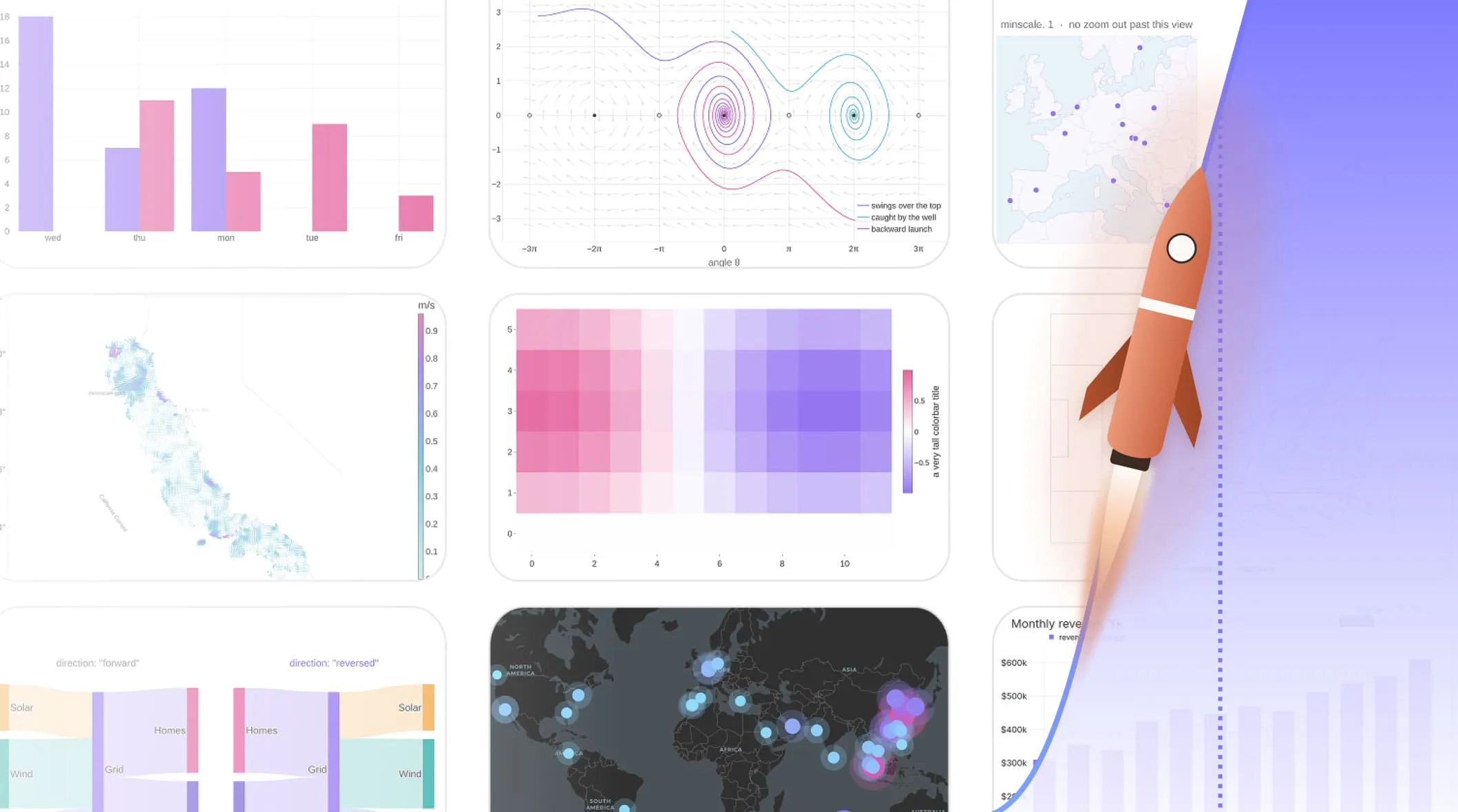
This year brought a steady stream of new ways to build reports and data apps faster. We'll catch you up on what's new across the Plotly ecosystem.
AI agents can now handle the first pass at analysis, and the app you describe in plain language can be live the same day. You'll also get real demo apps for operational needs, from BI and real-time streaming to ETL and internal tools. Skip paying hundreds for an off-the-shelf tool and build exactly what you need with Plotly.
And the more apps your team builds, the harder they are to keep secure. When every team uses its own containers, one rogue app can become a security risk or a drain on resources. We'll show how deploying every app from one place keeps security, logging, and monitoring consistent as your team grows.
Each demo ends with a first step you can try the next day, on your first app or your hundredth.
You’ll learn how to:
- Let AI do the first pass: Analyze data with an AI agent and deploy apps in one click from Claude.
- Connect your apps to AI assistants: Turn any Dash app into an MCP server for Claude, ChatGPT, or Copilot.
- Build and ship faster: Code with an agent (Claude Code), check docs from your terminal (Dash Docs CLI), and stream real-time updates (Dash 4.5).
- Turn static reports into live answers: Replace the weekly export and embed self-serve analytics (Plotly Studio Embedded).
- Create advanced visualizations: Build sophisticated charts with less code (plotly.py v7 and plotly.js v4).
- Keep apps secure: Deploy and run every Dash app on one central platform (Dash Enterprise).
Who should attend: Dash developers, data scientists, analytics and business teams, and the IT and DevOps teams who keep apps running. Bring the year-end report on your plate, and we'll show you a faster way to build it.
Meet the Speaker
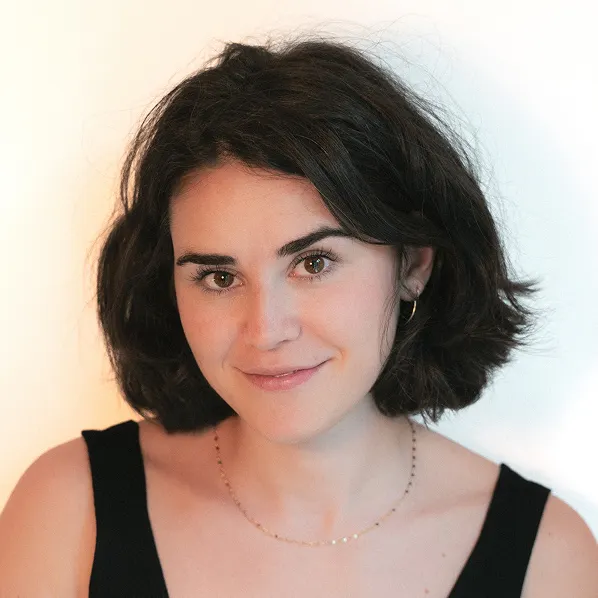
Cléa Aumont
Cléa manages the Professional Services team and is passionate about giving meaning to numbers through data visualization and analytics. She studied mathematics, statistics, and computer science at Concordia University in Montréal. Cléa has a background in medical data analysis and in managing large-scale data streams for the Government of Canada. She is enthusiastic about adopting AI agents in data applications.